Email Marketing Tips, Guides, and Strategies for Indian Businesses
Discover how local brands leverage high-end automation to scale customer relationships and maximize ROI in the diverse Indian landscape.
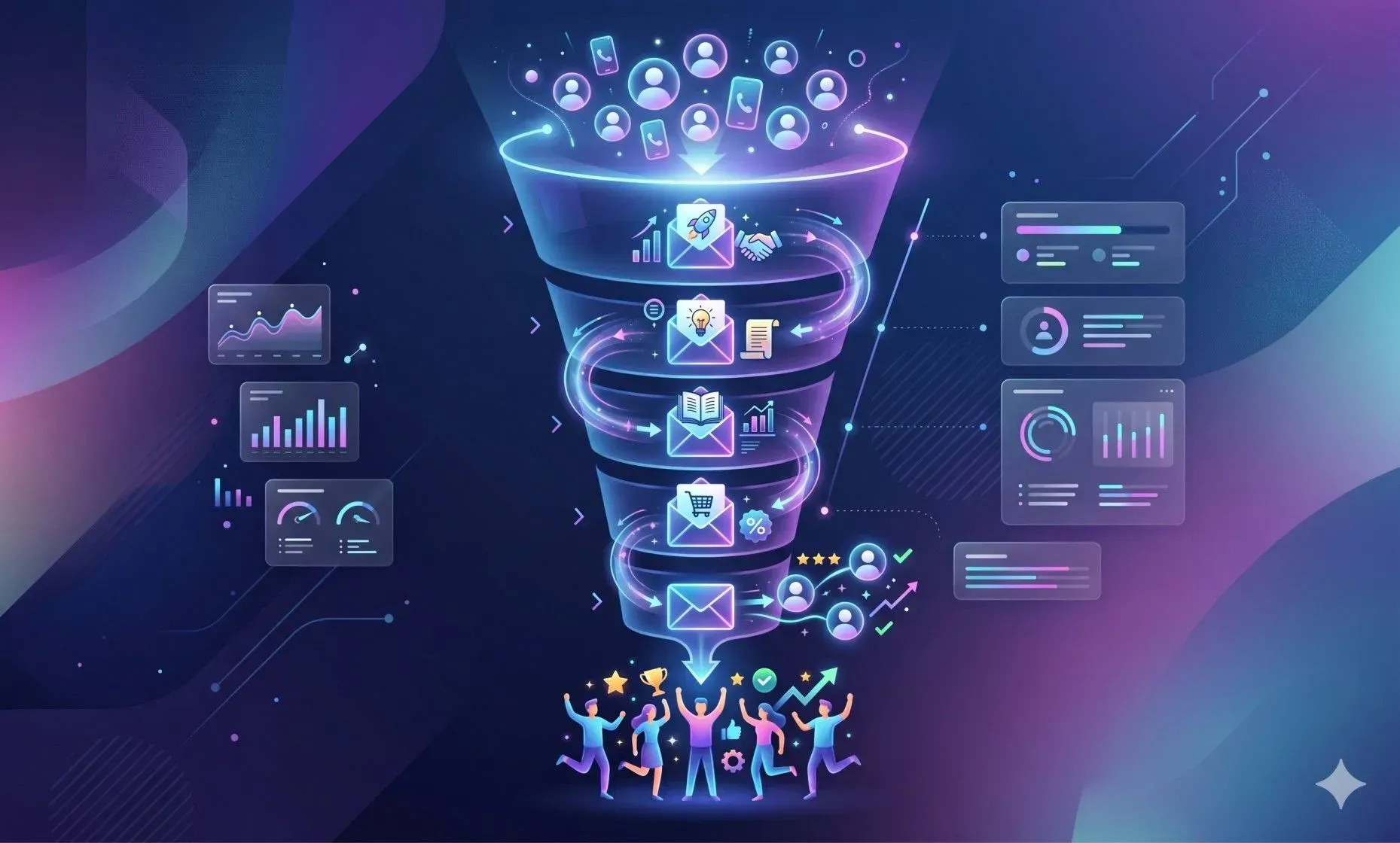
The Anatomy of a High-Converting Welcome Sequence
A first impression isn’t just important—it’s everything. When a new subscriber joins your email list, you have a brief, critical window to capture their attention, build trust, and guide them toward action. That’s exactly where an optimized email welcome sequence comes into play. A high-converting welcome sequence is far more than a generic “thanks for subscribing” autoresponder. It is a strategic email automation designed to nurture leads, establish your brand’s credibility, and ultimately drive sales. If you want to turn casual readers into loyal customers, here is the step-by-step anatomy of a welcome sequence that actually converts. 1. The First Impression: Your Immediate Welcome Email Your very first email sets the tone for your entire relationship with the subscriber. It has the highest open rate of any email you will ever send, so make it count. This initial email should: Greet the subscriber warmly and authentically. Deliver the promised lead magnet, discount, or freebie immediately. Set clear expectations for future emails. Introduce your unique brand voice. Pro Tip: Trigger this email to send instantly after signup. Even a five-minute delay can dramatically reduce your engagement rates. 2. Set Expectations Early Clarity builds trust. Subscribers are far less likely to hit the “unsubscribe” button if they know exactly what they signed up for. In your early emails, clearly communicate: Cadence: How often you will be emailing them (e.g., weekly, bi-weekly). Content: The specific type of content they will receive (e.g., marketing tips, exclusive discounts, industry news). Value: How they will directly benefit from staying on your list. 3. Tell Your Story (And Make It Relatable) People don’t connect with faceless businesses; they connect with human stories. Use your follow-up emails to build an emotional connection. Share your brand’s journey by highlighting: How and why you started. Your core mission and values. The driving force behind your products or services. SEO & Copywriting Tip: Don’t just talk about yourself. Frame your story so it mirrors your audience’s pain points and aspirations. Emotional connection is a massive driver of conversion rates. 4. Deliver Immediate Value Before you ask for a sale, you need to prove your worth. Give your subscribers something incredibly valuable for free. High-value content can include: Actionable, step-by-step tips. A quick tutorial or industry secret. A downloadable checklist or resource guide. Your primary goal here is to make the subscriber think: "If their free content is this good, their paid products must be amazing." 5. Build Authority and Credibility Trust is the ultimate conversion driver in digital marketing. Show, don't just tell, your audience that you are an expert in your field. Inject social proof into your sequence by including: In-depth case studies. Customer testimonials and reviews. Client success stories. Hard data, metrics, or proven results. 6. Introduce Your Offer Naturally Once you have established trust and provided upfront value, it is time to introduce your core product or service. The key is to avoid sounding overly promotional or pushy. To transition smoothly into a pitch: Frame your offer as the ultimate solution to their problem. Connect the product directly to the pain points you discussed earlier in the sequence. Focus on benefits (how it improves their life) rather than just features (what the product does). 7. Use a Strong, Clear Call-to-Action (CTA) Every email in your marketing sequence should have one singular goal. A confused mind says no, so keep your directions incredibly clear. A high-converting CTA should: Be specific and action-oriented (e.g., “Book Your Free Strategy Call” instead of “Click Here” ). Stand out visually using buttons or contrasting text. Leverage ethical urgency or scarcity when appropriate. Be the only primary action requested in the email. 8. Optimize Timing and Sequence Length A typical, effective welcome sequence includes 3 to 7 emails spaced out over a few days. Finding the perfect cadence depends on your specific audience and sales cycle. Example of a Proven Welcome Sequence Flow: Email # Timing Core Purpose Email 1 Immediate Welcome, brand introduction, and lead magnet delivery Email 2 Day 2 Brand storytelling and building relatable connection Email 3 & 4 Days 3–4 Delivering pure, actionable value and education Email 5 Day 5 Establishing authority via social proof/testimonials Email 6 & 7 Days 6–7 The soft pitch, the offer, and a strong CTA 9. Leverage Personalization and Segmentation Not all subscribers join your list for the exact same reason. Modern email marketing requires personalization beyond just using a first name. Use your email service provider (ESP) data to tailor the experience based on: Subscriber interests or signup source. Behavioral data (e.g., which links they click, what lead magnets they download). Demographics or industry type. Segmenting your audience ensures that every subscriber receives content that feels custom-tailored to their specific needs. 10. Analyze, Test, and Optimize Continuously A high-converting automated sequence is never truly "finished." To maintain top-tier performance, you must rely on data. Track these key email marketing metrics: Open rates: Indicates the strength of your subject lines. Click-through rates (CTR): Indicates the strength of your email copy and CTA. Conversion rates: Indicates the strength of your final offer. Unsubscribe rates: Indicates if your cadence or content is missing the mark. Continuously run A/B tests on subject lines, send times, and messaging. Small, incremental improvements compound into massive revenue gains over time. Final Thoughts A high-converting email welcome sequence is the perfect blend of psychology, strategy, and storytelling. It serves as an automated bridge, guiding your new subscribers from initial curiosity, to deeply rooted trust, and finally, to decisive action. When executed correctly, your welcome sequence becomes one of the most profitable assets in your marketing funnel—working 24/7 to turn fresh leads into lifelong customers. If you don't have a structured sequence in place yet, there's no better time to start building one than today.
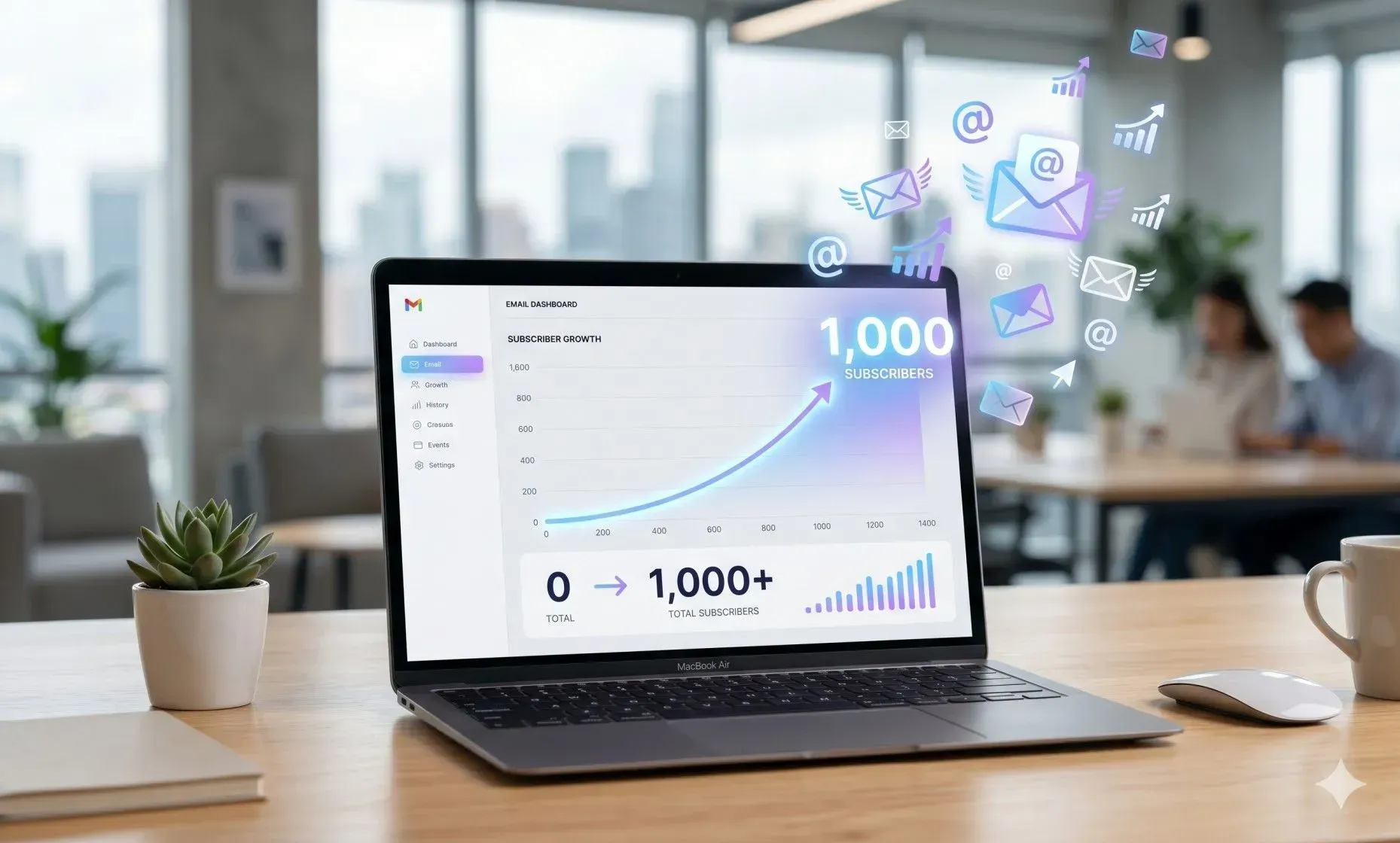
How to Build Your First 1,000 Email Subscribers from Scratch
Building your first 1,000 email subscribers can feel like an uphill battle—especially when you’re starting with zero audience, no brand recognition, and limited resources. But here’s the truth: you don’t need a massive social media following or a huge ad budget to build a powerful email list. You just need the right email marketing strategy, consistency, and a deep understanding of your target audience. This guide walks you through a practical, step-by-step approach to growing an engaged email list and getting your first 1,000 subscribers from scratch. Why Your First 1,000 Email Subscribers Matter Your first 1,000 subscribers are more than just vanity metrics. They are your early adopters, your direct feedback loop, and often your very first paying customers. These early subscribers will: Trust you enough to invite you into their highly guarded inbox. Engage more actively than subscribers who join later. Help shape your future content, products, and offers. Pro Tip: Think of this initial phase as building a rock-solid foundation, not just chasing scale. Step-by-Step Guide to Getting Your First 1,000 Subscribers Step 1: Define a Clear Value Proposition Before asking anyone to subscribe, you must answer one critical question: Why should someone join your email list? Avoid vague, generic promises like "Get updates" or "Join my newsletter." Instead, be highly specific about the transformation or knowledge you are offering. Examples of strong value propositions: “Learn how to grow a SaaS from 0 to 10K users.” “Weekly actionable tips on email marketing.” “Free templates and growth hacks for digital creators.” Your value proposition must be: Clear, outcome-driven, and targeted to a specific niche. Step 2: Create an Irresistible Lead Magnet People rarely give away their email addresses for nothing. You need to offer a compelling incentive, commonly known as a lead magnet . High-converting lead magnet ideas: Checklists: (e.g., “The Ultimate 10-Step Product Launch Checklist”) Templates: (e.g., Cold email scripts, Notion dashboards) Guides: Mini eBooks or comprehensive PDF guides. Tools: Free calculators, spreadsheets, or resource lists. Exclusive Data: Case studies or industry reports. To make your lead magnet successful, ensure it solves one specific problem , delivers a quick win, and is instantly accessible. Step 3: Build a High-Converting Landing Page You don’t need a complex website to start capturing emails—just a clean, focused landing page. Essential elements of a landing page: Strong Headline: Clearly state the benefit of your lead magnet. Short Description: Briefly explain what they will get. Visual Proof: A mockup or image of the lead magnet (optional but highly recommended). Email Signup Form: Keep it simple (just ask for an email and an optional first name). Call-to-Action (CTA): Use action-oriented text like “Download the Free Guide,” “Get Instant Access,” or “Join 500+ Marketers.” Remove all distractions. There should be no unnecessary links, menus, or clutter. Step 4: Drive Traffic (Without Paid Ads) You don’t need to spend money on Facebook or Google ads to reach your first 1,000 subscribers. Focus on these organic marketing channels: Social Media Content: Share insights, tips, and mini-lessons on platforms like X (Twitter), LinkedIn, or Instagram. Always include a CTA linking back to your lead magnet. Niche Communities: Participate authentically in Reddit forums, Discord groups, and Facebook groups. Provide high-quality value before ever dropping a link to your list. Your Personal Network: Share your landing page with friends, colleagues, and existing LinkedIn connections. Content Platforms: Write SEO-optimized blog posts or publish articles on Medium. Embed your signup link naturally within the text. Step 5: Optimize Your Signup Experience Small tweaks to your forms can dramatically increase your conversion rates. Best practices for optimization: Use benefit-driven CTAs rather than "Submit." Add social proof nearby (e.g., “Join 1,000+ weekly readers” ). Ensure the landing page is 100% mobile-friendly. If you have an active website, utilize exit-intent popups or inline embedded forms. Step 6: Set Up a Welcome Email Sequence Your job doesn’t end when someone hits "subscribe"—it’s just beginning. You need to nurture them immediately using an automated welcome sequence. A proven 4-part welcome sequence: Email 1: Deliver the promised lead magnet immediately. Email 2: Introduce yourself, your background, and your story. Email 3: Share your absolute best insight, tip, or piece of evergreen content. Email 4: Ask a question to encourage a reply and boost your sender reputation. Step 7: Stay Consistent with Content When it comes to email marketing, consistency beats perfection. Decide on a realistic frequency—whether that's a weekly newsletter, bi-weekly insights, or daily short tips—and stick to it. Focus on delivering practical value, personal insights, and real-world experiences. Step 8: Leverage Referrals and Word-of-Mouth Your early subscribers are your best marketers. Encourage them to share your content to help you grow faster. Add a “Forward to a friend” CTA at the bottom of your emails. Offer referral incentives (e.g., unlock a bonus guide for referring 3 friends). Include a simple line like: “Know someone who would find this useful? Share this email with them!” Step 9: Track Your Metrics and Improve Pay attention to the data to see what is resonating with your audience. Key email marketing metrics to track: Conversion Rate: (Website Visitors → Subscribers) Open Rate: Are your subject lines working? Click-Through Rate (CTR): Is your email content engaging? Unsubscribe Rate: Are you sending relevant content? Optimize based on this data. Test different landing page headlines, refine your lead magnet, and experiment with your messaging. Common List-Building Mistakes to Avoid The Mistake Why It Hurts Your Growth The Fix Targeting Everyone Broad messaging appeals to no one and lowers conversion rates. Niche down. Speak directly to a specific audience with a specific problem. Overcomplicating the Funnel Too many steps or form fields create friction, causing users to abandon the page. Keep it simple. Ask for an email address only, and deliver the reward instantly. Inconsistent Emailing Subscribers will forget who you are, leading to high unsubscribe rates and spam complaints. Commit to a schedule (e.g., every Tuesday morning) and stick to it strictly. Ignoring Engagement Focusing purely on list size over list health damages your sender reputation. Regularly clean your list and write content that encourages replies and clicks. Frequently Asked Questions (FAQs) How long does it take to get 1,000 email subscribers? The timeline varies based on your existing network and content output. If you consistently publish high-quality content and promote a strong lead magnet daily, you can hit 1,000 subscribers in 3 to 6 months organically. Do I need a website to build an email list? No. You can start by using standalone landing page builders provided by email marketing software (like ConvertKit, MailerLite, or Beehiiv) to collect emails without paying for website hosting. Final Thoughts & Action Plan Getting your first 1,000 email subscribers isn’t about magic hacks or hidden shortcuts—it’s about delivering consistent value, building trust, and showing up regularly. Quick Recap Action Plan: Define your niche and craft a clear value proposition. Create a simple, high-value lead magnet. Build a clean, distraction-free landing page. Drive traffic through organic social and community channels. Nurture new subscribers with an automated welcome sequence. Stay consistent and improve based on data. Start small, stay focused, and continuously improve. Once you hit your first 1,000 subscribers, you’ll realize the process is simply about building momentum. If you commit to this process, your first 1,000 subscribers are not just possible—they’re inevitable.
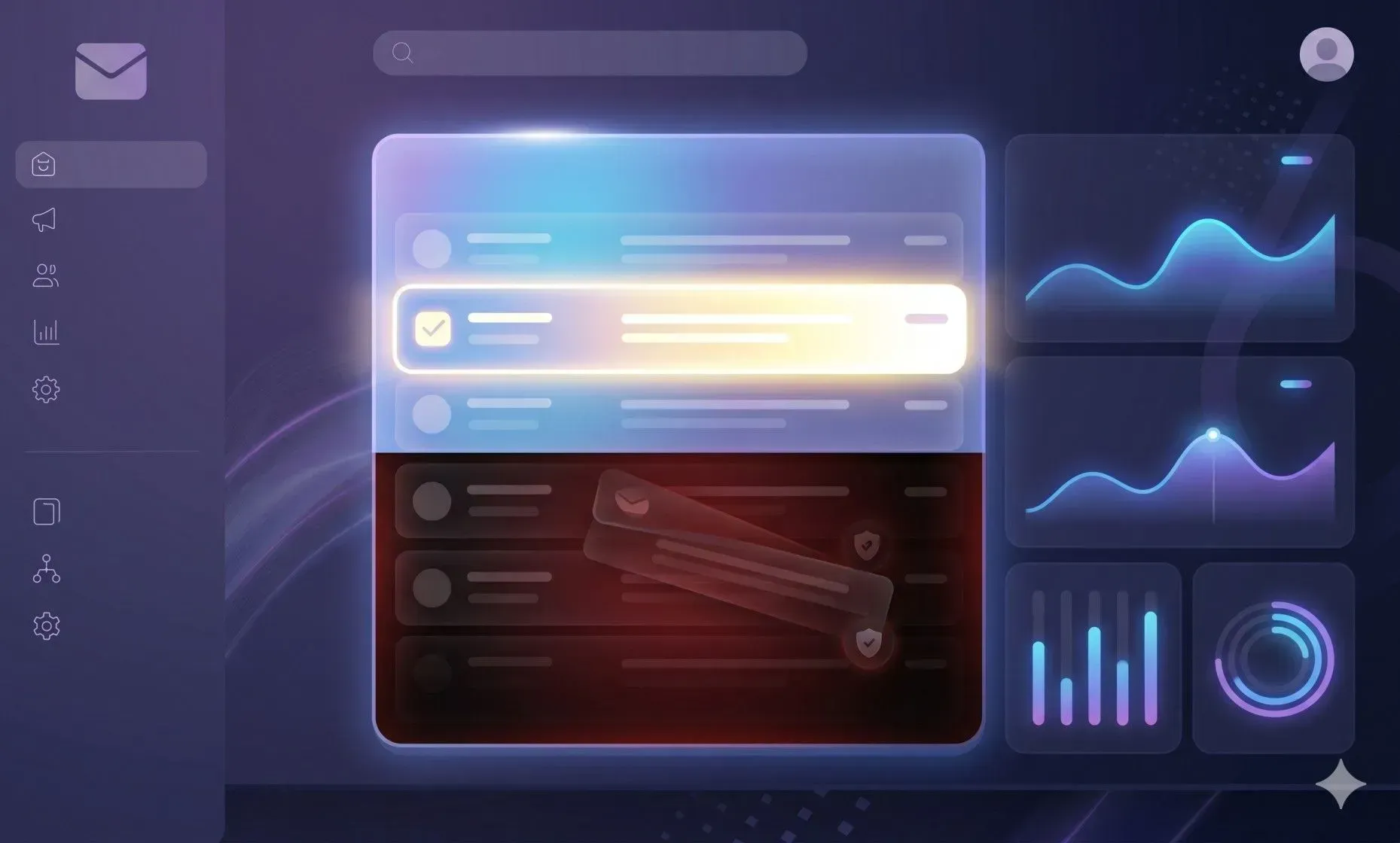
Stop Landing in Spam: A Beginner’s Guide to Email Deliverability
⚙️ SEO Metadata (For your CMS backend) Target Keyword: Email deliverability Secondary Keywords: Why emails go to spam, improve email deliverability, sender reputation, email authentication, SPF DKIM DMARC Meta Title: Stop Landing in Spam: A Beginner’s Guide to Email Deliverability Meta Description: Are your marketing emails landing in the spam folder? Learn what email deliverability is, why it matters, and 7 actionable steps to improve your inbox placement. URL Slug: /email-deliverability-beginners-guide Stop Landing in Spam: A Beginner’s Guide to Email Deliverability Email marketing remains one of the most powerful tools for building relationships and driving conversions. But it comes with a major catch: it only works if your emails actually reach the inbox. If your marketing campaigns are consistently landing in the spam folder, your message is essentially invisible, and your ROI plummets. In this beginner-friendly guide, you’ll learn what email deliverability is, why your emails might be triggering spam filters, and actionable best practices to improve your inbox placement step by step. 📬 What Is Email Deliverability? Email deliverability (often referred to as inbox placement) is your ability to successfully deliver emails to your subscribers’ primary inboxes—rather than the spam or junk folder. Don't confuse this with email delivery , which simply means the email didn't bounce. An email can be successfully "delivered" straight into a spam folder. True deliverability is influenced by several core factors: Sender reputation (How email providers view your domain) Email content and formatting Subscriber engagement rates Technical backend setup (Authentication) 🚫 Why Do Emails Go to Spam? Before you can fix your inbox placement, you need to understand why email providers route messages to the junk folder in the first place. 1. Poor Sender Reputation Email providers like Gmail, Outlook, and Yahoo assign a "reputation score" to your domain and sending IP address. Your reputation drops—and your emails follow—if you: Send massive volumes of emails too quickly. Have consistently high bounce rates. Frequently get marked as spam by recipients. 2. Low Subscriber Engagement Inbox providers closely monitor how users interact with your messages. If subscribers rarely open, click, or reply to your emails, providers assume your content isn’t valuable to them. Low engagement = a higher chance of landing in spam. 3. Spam-Triggering Content Modern spam filters are highly sophisticated, but they still look for classic red flags in your content: ALL CAPS SUBJECT LINES Overuse of punctuation (e.g., "Act Now!!!!") Spammy trigger words like “FREE $$$”, “GUARANTEED”, or “NO CATCH” A high image-to-text ratio (emails that are just one giant image). 4. Missing Email Authentication If your domain isn’t properly verified, email providers simply don't trust that you are who you say you are. This is especially true following strict sender requirements recently rolled out by major providers like Google and Yahoo. 5. Sending to Bad or Purchased Lists Buying email lists or emailing inactive users is the fastest way to ruin your deliverability. It inevitably leads to high bounce rates, spam traps, and a flood of spam complaints. 🛠️ How to Improve Email Deliverability (7 Best Practices) Ready to get out of the spam folder? Follow these seven steps to build trust with inbox providers. ✅ 1. Set Up Email Authentication (Non-Negotiable) Authenticating your domain acts like a digital ID card for your emails. Make sure your domain is configured with these three protocols: SPF (Sender Policy Framework): Verifies which IP addresses and services are authorized to send emails on your behalf. DKIM (DomainKeys Identified Mail): Adds a digital signature to your emails, proving they weren't tampered with in transit. DMARC (Domain-based Message Authentication): Tells receiving servers what to do if an email fails SPF or DKIM checks (protecting you against spoofing). Pro Tip: Most email service providers (ESPs) like Mailchimp, Klaviyo, or ConvertKit offer simple, step-by-step guides for setting these up in your DNS records. ✅ 2. Build and Maintain a Clean Email List Focus on the quality of your list, not just the size. Use double opt-in: Ensure subscribers actually want to be there. Never buy lists: Organic growth is the only sustainable way to market. Scrub your list: Regularly remove or suppress inactive subscribers who haven't opened an email in 3–6 months. ✅ 3. Warm Up Your Domain If you’re starting with a brand-new domain or IP address, don't blast 10,000 emails on day one. Send emails in small, controlled batches. Gradually increase your sending volume day by day. Maintain a consistent sending pattern so providers can recognize your habits. ✅ 4. Write High-Quality, Human Emails Avoid spam triggers and focus on providing immense value to the reader. Personalize your emails: Use merge tags for first names. Write natural subject lines: Keep them conversational and avoid clickbait or misleading headlines. Balance your formatting: Ensure a healthy text-to-image ratio and keep HTML code clean. ✅ 5. Boost Engagement More engagement signals to providers that people want your emails. Ask questions and encourage replies. Include clear, singular Calls-to-Action (CTAs). Segment your audience so you're only sending relevant content to the right people. ✅ 6. Monitor Your Deliverability Metrics Keep a close eye on your analytics dashboard. Watch for: Open and Click-through rates (Aim high) Bounce rates (Keep below 2%) Spam complaint rates (Keep below 0.1%) If any of these metrics spike or drop suddenly, pause your campaigns and investigate. ✅ 7. Make Unsubscribing Easy This might sound counterintuitive, but a prominent unsubscribe link is your best friend. If users want to leave your list but can’t find the unsubscribe button, they will mark you as spam instead—which does severe damage to your sender reputation. 📊 Bonus Tips for Better Inbox Placement Send at consistent times: Train your audience (and inbox algorithms) on when to expect your content. Avoid large attachments: Link to files hosted on a website or cloud drive instead of attaching them directly. Use a recognizable “From” name: (e.g., "Sarah at [Company Name]") so readers know exactly who is emailing them. Test before you send: Use free deliverability tools like Mail-Tester to check your spam score before hitting "send." 🚀 Quick Deliverability Checklist Before launching your next email campaign, verify the following: Domain authenticated (SPF, DKIM, DMARC) Email list is clean and verified Subject line is clear and clickbait-free Content contains no spammy trigger words Email rendering tested for mobile and desktop Unsubscribe link is visible and functional 🎯 Final Thoughts Think of email deliverability like a credit score: the better your sending behavior over time, the more trust you earn from providers, and the better access you get to the inbox. Deliverability isn’t just a technical hurdle; it’s about respect and trust. If you consistently focus on building genuine relationships, sending highly relevant content, and maintaining technical hygiene, your emails won’t just reach inboxes—they’ll get opened, read, and acted upon. Now it’s your turn: Audit your current email setup today. Pick just one deliverability issue from this list to fix. Small, consistent improvements will lead to massive results for your email marketing ROI. What platform are you currently using to send your emails (e.g., Mailchimp, Klaviyo, ActiveCampaign)? Knowing this, I can give you the exact steps for setting up your SPF, DKIM, and DMARC records!

Email Marketing Metrics Demystified: What Really Matters?
If you spend any time in the backend of an email marketing platform, you know the feeling: you hit "send" on a beautifully crafted campaign, wait a few hours, and then stare at a dashboard overflowing with numbers, percentages, and charts. It is incredibly easy to get lost in the data jungle. Which numbers actually mean your campaign was a success, and which ones are just vanity metrics? Let’s cut through the digital clutter. Here is a straightforward, no-nonsense guide to the email marketing metrics that actually matter—and what they are trying to tell you about your audience. The "Handle With Care" Metric: Open Rate For years, the open rate was the golden child of email marketing. It told you how many people actually bothered to look at your email. Today? It is a bit more complicated. What it is: The percentage of recipients who opened your email. Why it's less reliable now: In 2021, Apple introduced Mail Privacy Protection (MPP), which essentially pre-loads email content (including the invisible tracking pixel used to count opens) for users on Apple devices. This artificially inflates open rates, making the metric highly inaccurate. How to use it today: Treat your open rate as a directional benchmark rather than hard data. If your open rates suddenly drop by 20%, you might have a deliverability issue or a terrible subject line. Just don't tie your bonuses to this number. Key Takeaway: Stop obsessing over open rates. Focus instead on what people do after the email is opened. The Engagement Metrics: Where the Magic Happens If you want to know if your content is actually resonating with your audience, these are the metrics to watch. Click-Through Rate (CTR) What it is: The percentage of people who clicked on one or more links in your email, calculated out of the total number of delivered emails . Why it matters: CTR is a direct indicator of engagement. It tells you if your offer was compelling, your copy was persuasive, and your Call to Action (CTA) was clear. A healthy CTR means your audience cares about what you have to say. Click-to-Open Rate (CTOR) What it is: The percentage of people who clicked a link, calculated out of the people who actually opened the email . Why it matters: This is the ultimate test of your email's content. If someone opened the email (meaning they liked the subject line) but didn't click (meaning the content fell flat), your CTOR will be low. It isolates the performance of your email copy and design from your subject line. The Bottom-Line Metrics: The Real Deal Engagement is great, but clicks don't pay the bills. If your email marketing goal is to drive revenue or generate leads, these metrics are your north star. Conversion Rate What it is: The percentage of email recipients who clicked on a link and then completed a desired action (like making a purchase, filling out a form, or downloading an ebook). Why it matters: This is the holy grail. It connects your email marketing efforts directly to your business goals. A high conversion rate means your entire funnel—from subject line to landing page—is working seamlessly. Revenue Per Email (RPE) What it is: The total revenue generated by a campaign divided by the number of emails delivered. Why it matters: RPE helps you quantify the exact financial value of your email list. It is incredibly useful for forecasting and understanding how aggressive you can be with subscriber acquisition costs. The Health Metrics: Protecting Your Reputation Ignoring these metrics is a fast track to the spam folder. You must monitor them to keep your sender reputation pristine. Bounce Rate: The percentage of emails that could not be delivered. Hard bounces (invalid email addresses) should be scrubbed from your list immediately. Soft bounces (temporary issues like a full inbox) can be retried. Unsubscribe Rate: The percentage of people who opt out of your list after a campaign. A rate under 0.5% is generally normal. If it spikes, you are likely emailing too often or sending irrelevant content. Spam Complaint Rate: The percentage of people who explicitly mark your email as spam. This number must stay below 0.1%. Anything higher, and email providers like Gmail and Yahoo will start routing your emails directly to the junk folder. Your Quick-Reference Cheat Sheet Here is a quick summary to keep handy the next time you are analyzing a campaign: Metric What it Measures The Goal Open Rate Subject line appeal & basic inbox placement Keep it steady (use as a baseline, not a KPI) CTR Overall campaign engagement Increase through better offers & clearer CTAs CTOR Content and design effectiveness Increase by matching content to subject line promises Conversion Rate Business impact and funnel health Maximize by optimizing landing pages and offers Spam Complaint Sender reputation health Keep strictly below 0.1% Ultimately, the metrics that "really matter" depend entirely on the goal of your specific campaign. If you are sending a newsletter, CTOR is king. If you are running a Black Friday sale, RPE and Conversion Rate are everything. Stop drowning in data, identify your primary goal for every send, and let the right metrics light the way.
10 Proven Subject Line Formulas to Skyrocket Your Open Rates
Your email subject line is the ultimate gatekeeper. No matter how incredible your email content is, it’s useless if no one actually opens it. In today's fiercely crowded inbox, you have mere seconds to grab a subscriber's attention. The right subject line is the difference between a high-converting campaign and getting lost in the digital trash bin. Ready to stop guessing? Here are 10 proven, plug-and-play subject line formulas that consistently boost open rates, complete with examples so you can apply them to your next send. 1. The Curiosity Gap Human beings are wired to seek out missing information. This formula intentionally leaves out the "punchline" so the reader has to click to satisfy their curiosity. The Formula: "You won’t believe [unexpected result]…" or "This is why [common belief] is wrong." Why it works: It creates an itch that can only be scratched by opening the email. Example: You won’t believe what happened after we changed one word… Example: This is exactly why your emails aren’t getting opened. 2. The Numbered List Our brains love numbers. They organize chaos and promise a quick, easy-to-read format. The Formula: [Number] + [Benefit/Topic] Why it works: Numbers set clear expectations and make your content feel instantly digestible. Example: 7 email hacks that doubled our open rates Example: 5 subject lines you should steal today 3. The Direct Question Want to engage your reader instantly? Ask them something about themselves. The Formula: "Are you [struggling with problem]?" or "Want to [achieve desired result]?" Why it works: Questions shift the focus directly onto the reader, triggering self-reflection and a desire for an answer. Example: Are your emails being completely ignored? Example: Want more clicks without doing more work? 4. The Urgency (FOMO) Trigger Fear of Missing Out (FOMO) is a powerful psychological driver. When time is running out, people act fast. The Formula: [Time-sensitive phrase] + [Offer/Value] Why it works: It forces the reader to make a decision now rather than saving the email for "later" (which usually means never). Example: Last chance: Boost your open rates today Example: Only 24 hours left to fix your email strategy 5. The Personal Touch In a sea of automated blasts, a personalized subject line feels like a 1-on-1 conversation. The Formula: [First Name], [Custom Message/Question] Why it works: It naturally breaks visual monotony and instantly signals relevance to the reader. Example: Pratik, your email strategy is missing this Example: Hey John, a quick tip for better open rates 6. The Benefit-Driven Promise Tell them exactly what they will gain, while simultaneously eliminating their biggest hesitation. The Formula: "Get [specific benefit] without [pain point]" Why it works: It clearly communicates immense value while preemptively removing the reader's main objection. Example: Get more opens without writing more emails Example: Increase your clicks without spending more time 7. The Classic "How-To" When in doubt, offer a solution. People subscribe to lists to solve their problems. The Formula: "How to [achieve highly desired result]" Why it works: It promises practical, actionable value for readers actively looking for solutions. Example: How to double your email open rates Example: How to write subject lines that actually convert 8. The Social Proof Show, don't just tell. If someone else has already achieved the desired result, your readers will want to know their secret. The Formula: "How [Group/Person] achieved [Specific Result]" Why it works: It builds immediate trust and leverages the success of others to validate your content. Example: How marketers increased opens by 63% Example: How top startups are winning inbox attention 9. The Contrarian Angle Want to stand out? Tell your audience that everything they thought they knew is wrong. The Formula: "Stop doing [common practice]" or "Why [common advice] is a trap" Why it works: It challenges assumptions, sparking intrigue and standing out in a sea of "me-too" advice. Example: Stop writing long subject lines Example: Why “short subject lines” don’t always work 10. The Ultimate Teaser Give them just enough of a taste to leave them wanting more. The Formula: [Intriguing, open-ended statement]… Why it works: It leaves just enough mystery to make ignoring the email feel like a missed opportunity. Example: Well, this changes everything… Example: You’re missing this one crucial thing… Best Practices to Maximize Your Results Even the absolute best formulas need proper execution to succeed. Keep these golden rules in mind before you hit send: Best Practice Why It Matters Keep it short & sweet Mobile screens cut off long lines. Aim for 6–10 words for maximum punch. Deploy power words Words like proven , secret , instant , and exclusive trigger emotional responses. Ditch spam triggers ALL CAPS and excessive punctuation (!!!) will send you straight to the junk folder. A/B test ruthlessly What works for one audience might flop with another. Let your data dictate your strategy. Final Thoughts Consistently great subject lines aren’t about luck—they’re about psychology and strategy. By leveraging these proven formulas, you can train your audience to eagerly anticipate your emails. Your Next Step: Pick 2 or 3 formulas from this list to A/B test in your very next campaign. Track your open rates, refine your approach based on the data, and double down on the winners. Your inbox success starts with a single line. Make it count! 🚀
Stay ahead of the curve.
Join 5,000+ Indian entrepreneurs receiving our bi-weekly dispatch on marketing automation and growth strategy.